
Short rental gaps can leave little room for preparation. A clean space must be ready before the next arrival window. Fast cleaning helps coordinate rooms, bathrooms, supplies, and visible details without rushed decisions. For hosts seeking Airbnb cleaning New Orleans, organized service can support quicker turnovers while maintaining consistent presentation. Timing matters most when bookings sit close together.
Fast Room Reset Keeps Schedules Moving
A room reset starts as soon as guests depart. Cleaners can focus first on used areas needing immediate attention. Fresh linens, cleared surfaces, and swept floors restore basic order quickly. This sequence prevents minor tasks from delaying later preparation steps.
- Used linens leave the room first.
- Surfaces receive focused cleaning.
- Floors get attention afterward.
- Supplies return before final inspection.
Which Tasks Deserve Early Attention?
Priority tasks should follow the next arrival requirements. Bathrooms often need detailed attention because guests notice cleanliness there quickly. Kitchen surfaces require similar care after frequent use. Early focus on these areas creates more time for final checks.
A short checklist can prevent overlooked details:
- Restock essential bathroom supplies before finishing.
- Check high-touch handles during each turnover.
- Remove visible marks from shared surfaces.
- Confirm fresh bedding reaches every sleeping area.
Coordinated Cleaning Supports Faster Turnovers
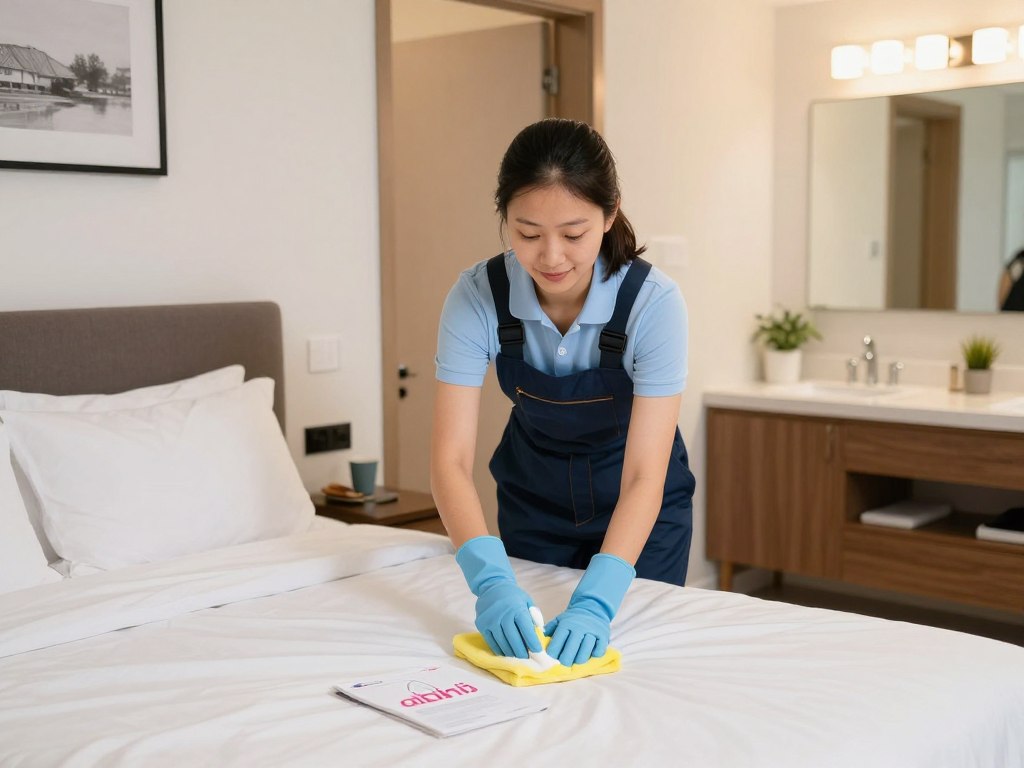
Speed depends on order rather than rushed movement. Airbnb cleaning New Orleans services can use task sequences suited to short rental schedules. One cleaner may handle bedding while another addresses bathrooms. Coordinated roles reduce idle time and keep preparation moving.
The same approach helps during back-to-back reservations. Clear task ownership limits repeated checking and unnecessary movement. As a result, cleaning time becomes easier to manage against arrival deadlines.
Can Checklists Reduce Last-Minute Delays?
A checklist creates a fixed inspection path before departure. Each area receives attention based on visible condition and guest needs. This method also helps cleaners notice small details before completion.
Useful checks can include:
- Inspect mirrors under strong room lighting.
- Verify towels match the expected setup.
- Check floors near entrances carefully.
- Confirm bins have been emptied.
- Review supplies before locking up.
Timing Matters Beyond Basic Cleanliness
Fast preparation affects more than appearance. Delays can compress inspection time and create pressure before arrival. A well-paced cleaning process leaves room for corrections when something needs another pass.
Consider a late departure followed by an early arrival. Every saved minute can protect the final inspection window. However, speed should never replace attention to visible details.
Turnover Planning Creates Extra Breathing Room
Reliable turnover planning starts with realistic task timing. A cleaning schedule can account for room size, guest count, and current condition. That information helps assign suitable time blocks before each reservation.
A useful schedule also includes a small inspection buffer. That buffer becomes valuable when towels need replacement or marks require another cleaning pass. In practice, preparation works best when speed creates room for quality checks.
The Final Inspection Protects The Turnaround
A fast turnover becomes useful when the final minutes remain available. The earlier task sequence protects that inspection window. A cleaner can catch a missed towel, surface mark, or supply shortage before departure. That final check transforms saved time into a practical safeguard rather than simply a faster cleaning finish.